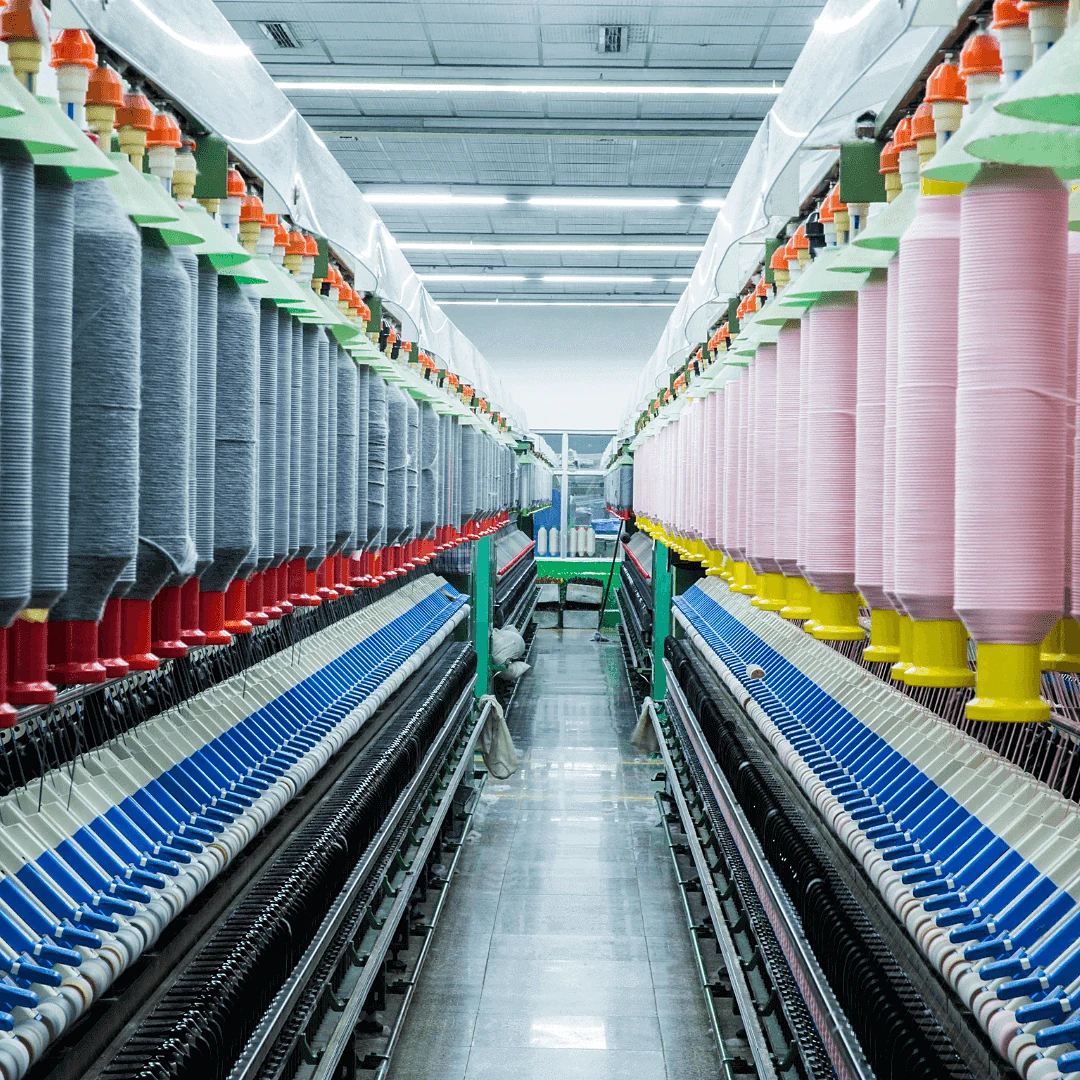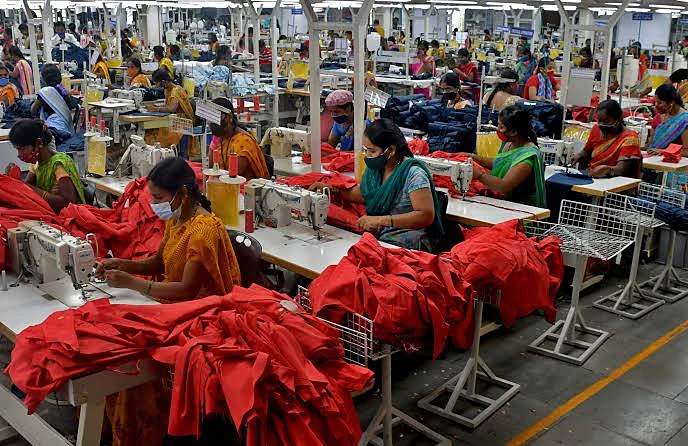
Textile and apparel manufacturing is labour-led and space-hungry. The site decision is really a workforce decision wearing a real-estate disguise.
Labour availability is the first filter
Garment and textile operations run on people. A plant of any scale needs a workforce it can recruit, train and retain — and retention is where metropolitan locations quietly struggle, because workers there have many alternative employers competing for them.
District locations often show the opposite pattern: a smaller pool, but with lower attrition and shorter commutes. For an operation where trained-operator productivity compounds over months, retention can matter more than raw availability.
Assess it directly. Ask about the local labour market, commuting patterns and what other employers are drawing from the same catchment.
India's textile position, in figures
India exported US$ 35.52 billion of textiles and apparel in FY2025-26, holding roughly a 3.9% share of global textile and apparel trade. The sector contributes about 2% of India's GDP and around 11% of manufacturing gross value added, employing over 45 million people — one of the largest employment bases in Indian industry.
The export mix is concentrated: ready-made garments at US$ 15.77 billion (44%), cotton textiles at US$ 10.25 billion (29%) and man-made textiles at US$ 5.23 billion (15%).
Government projections target a US$ 350 billion market and US$ 100 billion of exports by 2030, implying roughly 10% CAGR. Treat targets as direction rather than forecast — but the direction is unambiguous, and capacity has to sit somewhere.
Power and water, honestly assessed
Textile processes vary enormously in utility demand. Cut-and-sew apparel is comparatively light — largely machine power and lighting. Wet processing, dyeing and finishing are an entirely different proposition, with heavy water demand and effluent obligations.
Be explicit with any developer about which you are. A site perfectly suited to a garment unit may be wholly unsuitable for a dyeing operation, and discovering that after purchase is an expensive mistake.
For dry processes — spinning, weaving preparation, cutting, stitching, finishing and packing — the requirement is dependable metered power, good lighting, ventilation and clean, well-organised floor space.