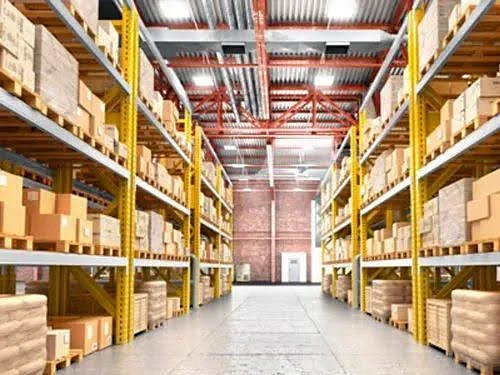
A warehouse is a machine for moving goods. Judge it the way you would judge a machine — by throughput, not by floor area.
Throughput beats square footage
Operators new to site selection tend to compare warehouses on area and rent per square foot. Experienced ones compare on how many vehicles can be turned per day, because that is what actually constrains the business.
Turning capacity is set by dock provision, yard depth, approach road width and internal circulation. A large shed with a cramped yard will bottleneck long before its floor is full. A smaller shed with generous access can out-perform it.
Before you sign, walk the approach with a truck in mind. Can two vehicles pass? Can a 40-foot container turn without a three-point manoeuvre? What happens when four vehicles arrive together?
The warehousing base has scaled — and shifted quality
India's warehousing stock reached approximately 610 million sq ft in 2025, with more than half now classified as premium Grade A. IBEF had earlier flagged Grade A supply crossing the 300 million sq ft mark by 2025.
That composition shift matters more than the headline number. A decade ago the Indian warehouse market was dominated by unorganised, low-specification sheds. The move to Grade A reflects occupiers — 3PLs, e-commerce, organised retail, manufacturers — demanding floor flatness, clear height, dock provision and compliance that older stock cannot deliver.
The practical consequence for anyone taking space: specification is now the differentiator, not availability. Ask about floor, height and dock arrangement, because the market has moved to where those answers are expected.
Clear height is stored value
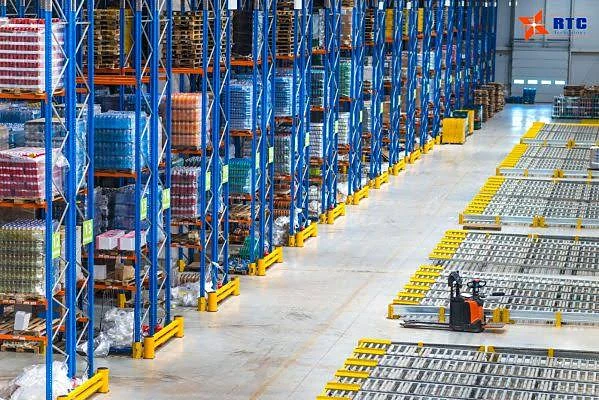
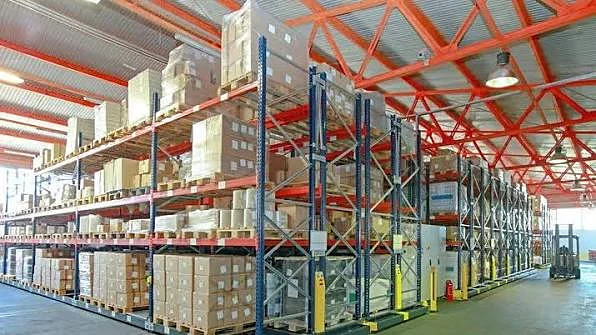
Warehouse economics are vertical. Rent is charged on floor area but goods are stored in volume, so every metre of usable height improves the return on the same footprint.
Our sheds offer 8 metres clear height, which supports substantial racking. Confirm what the floor and racking design allow before planning your layout, and remember that fire provision and sprinkler design interact with rack height.
The floor decides your operating cost
Floor flatness and load capacity determine which handling equipment you can run. Reach trucks operating at height are sensitive to floor tolerance; an out-of-tolerance floor forces slower operation and accelerates equipment wear.
Floor is also the hardest element to fix once the building is occupied. It deserves more scrutiny at the site-selection stage than it usually gets.